| What is blood pressure? Ways to lower blood pressure |
| By: Safiqa Islam (Posted:31-Aug-2022) |
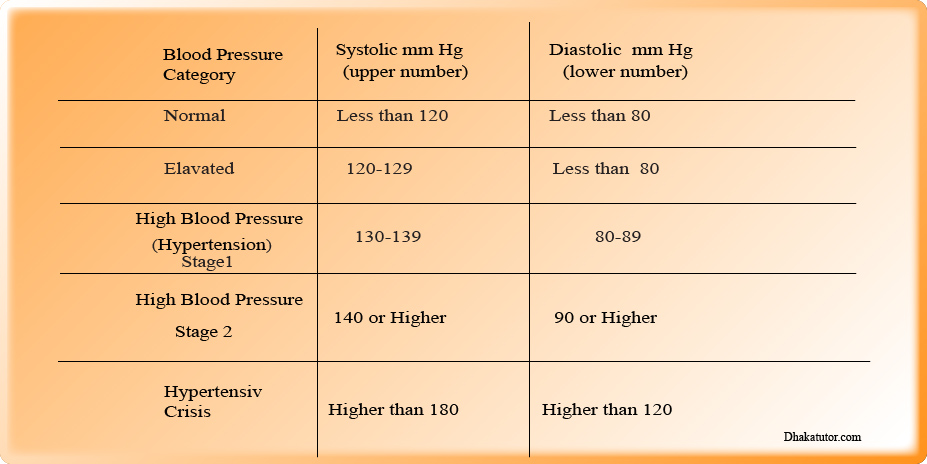
Blood PressureThe term 'blood pressure is a measure of the force that is used by our heart to pump blood. This blood is transported to the entire body. The force during blood pressure is felt when the blood is pushed against the walls of the blood vessels through which blood is carried around the body. There are three types of blood pressure one is normal blood pressure, another one is high blood pressure, and the last one is low blood pressure. All of us have normal blood pressure, and sometimes the pressure gets high or low depending on the situation or food consumed. Some other factors like these hamper our blood pressure. We have heard from our elders about the problem of having too high or too low blood pressure because it is now a widespread problem.
Even stressful situations or sudden, shocking facts can lead to an increase in blood pressure. The sudden increase or decrease in blood pressure can cause dizziness, mild strokes, or even death! What causes high blood pressure?Some problematic factors like high cholesterol levels in the body, too much fat or a high amount of salt, diabetes, and some chronic conditions like kidney problems or hormones can be responsible for the increase in blood pressure. Facts about blood pressure- Even young people can have too high or too low blood pressure. Some ways to lower blood pressure:- By decreasing our body weight with a healthy diet plan. - Exercising regularly for fitness. Role of Baroreceptors in Controlling Blood PressureBaroreceptors were discovered in 1932 by Edgar Douglas Adrian. Role of baroreceptors to control blood pressure Baroreceptors mainly send signals to the brain and send signals to other parts of the body. The blood vessels, kidneys, and the heart control the blood pressure after receiving the signals. They detect the change in the blood pressure and act the way it would take to decrease or increase the blood pressure. Baroreceptors are located in the blood vessels near the heart. They respond and work very fast to make the blood pressure stable instantly. Baroreceptors hamper vasoconstriction to increase or decrease blood pressure when they are too high or too low. If they detect low blood pressure inside the aorta, it interferes with the vasoconstriction of blood vessels. It causes an increase in the resistance of the circulation, which increases blood pressure. There are mainly two arterial baroreceptors, one is the aortic baroreceptor, and another is the carotid baroreceptor. |